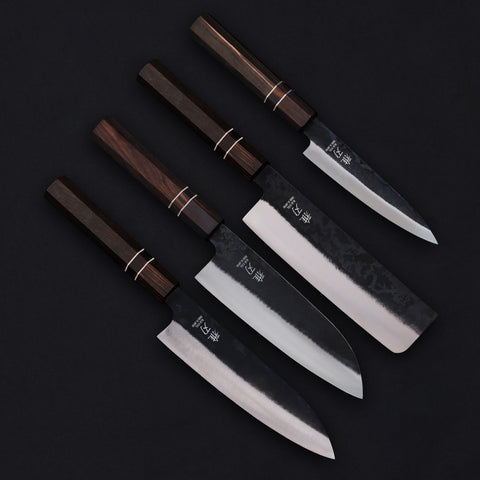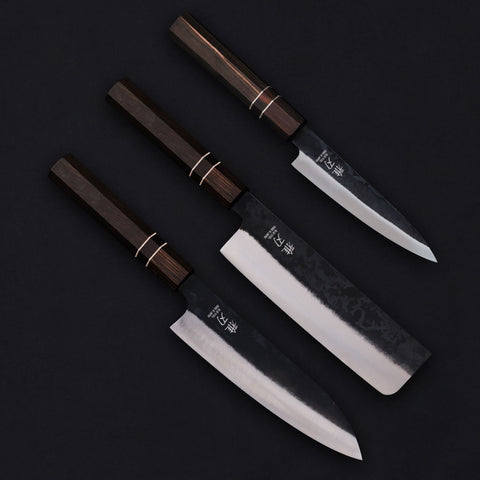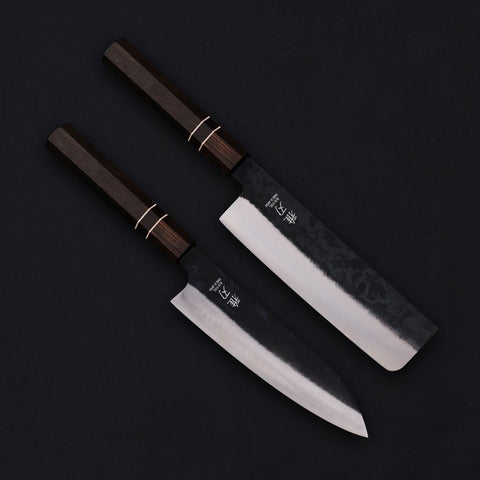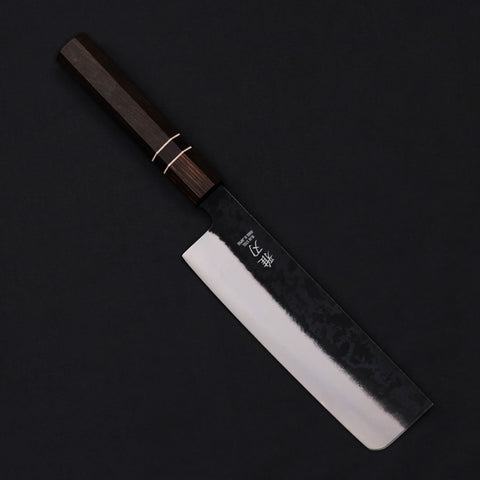
Vegetable Japanese Knife
The right knife transforms vegetable preparation from a tedious chore into an enjoyable culinary experience. Japanese vegetable knives stand apart from their Western counterparts, offering exceptional precision, control, and efficiency.
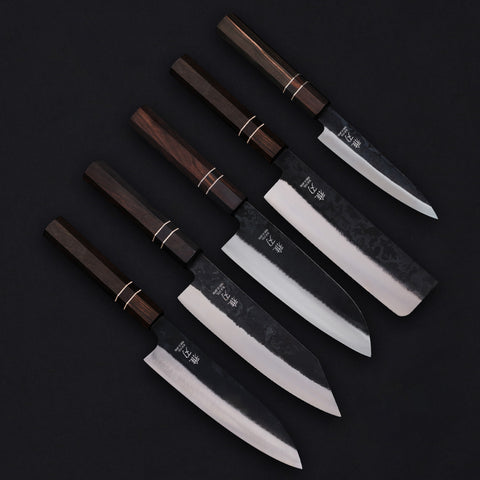
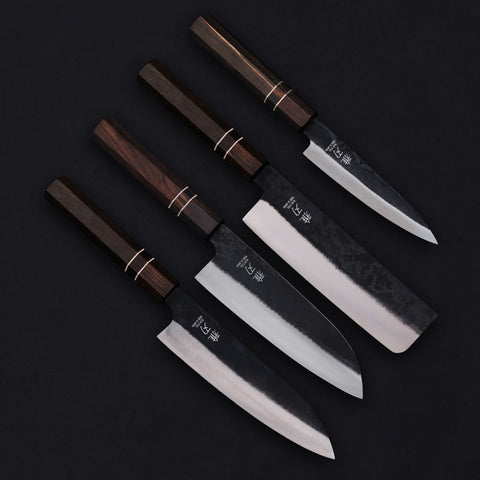
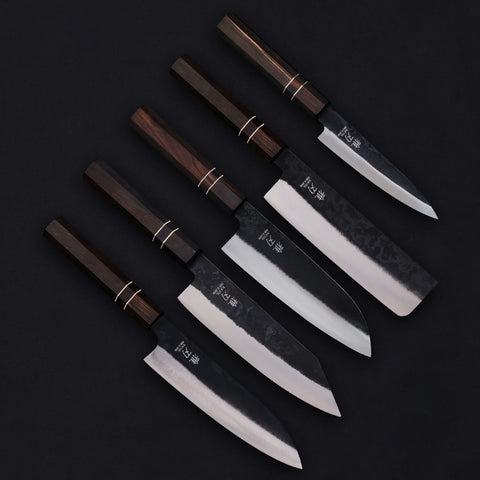
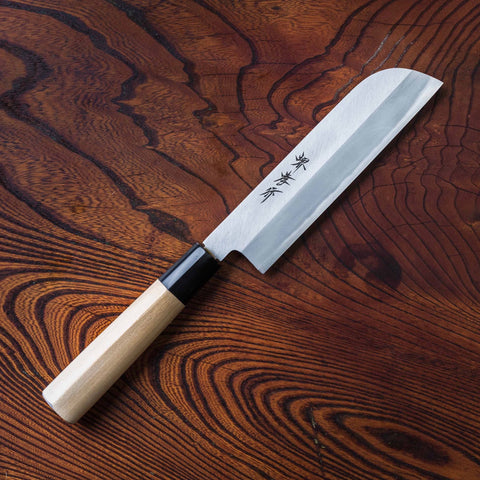
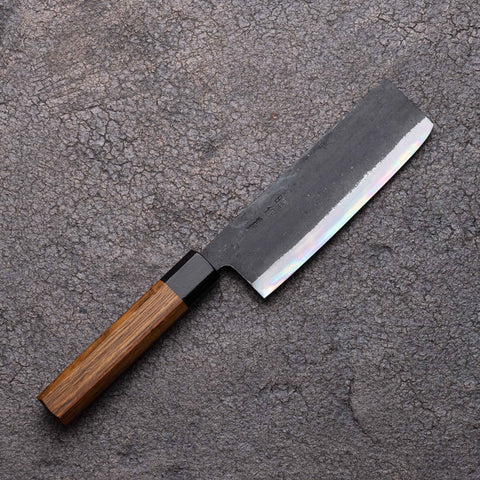
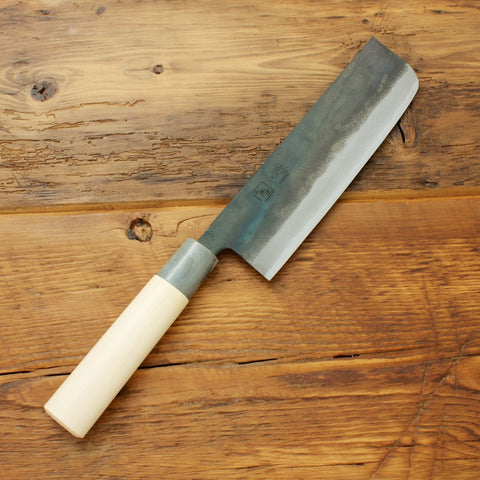
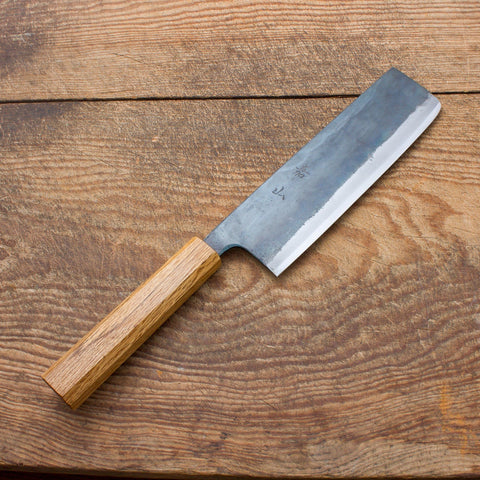
Japanese vegetable knives represent centuries of specialized knife-making tradition, with each type designed for specific cutting techniques and ingredients. Two primary vegetable-specific knives dominate Japanese cuisine: the Nakiri and the Usuba.
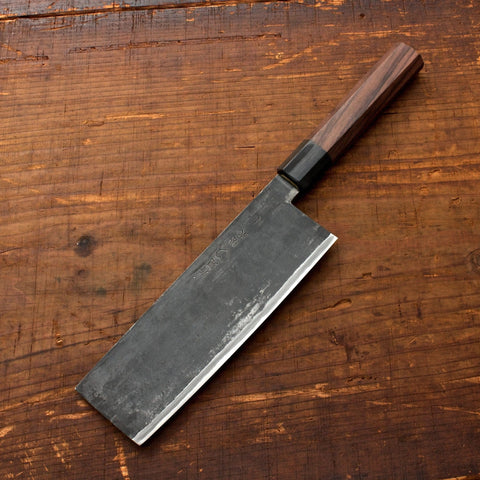
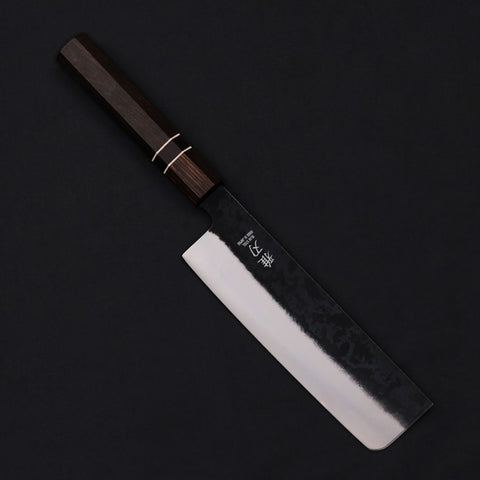
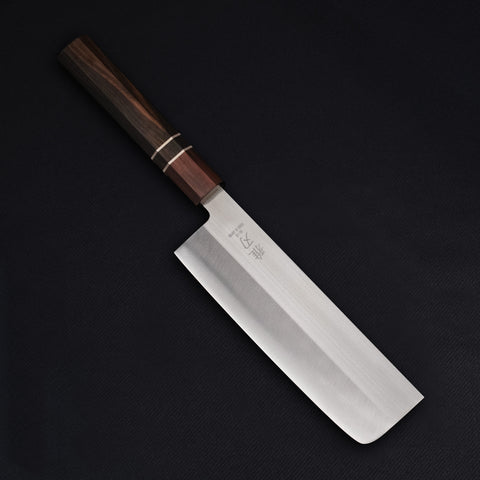
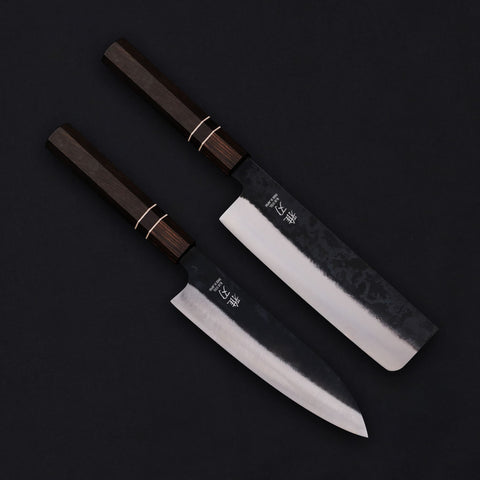
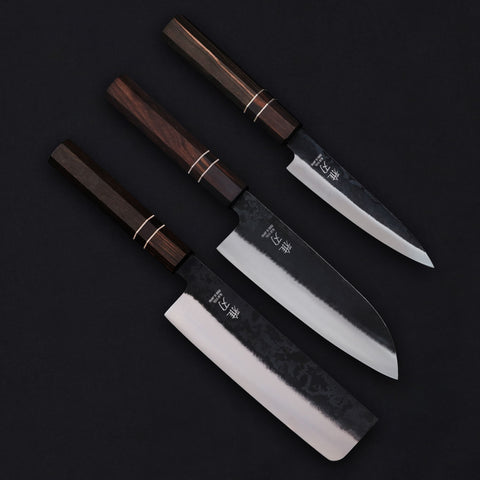
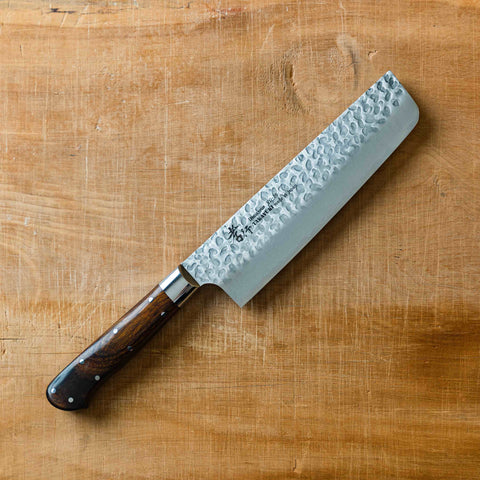
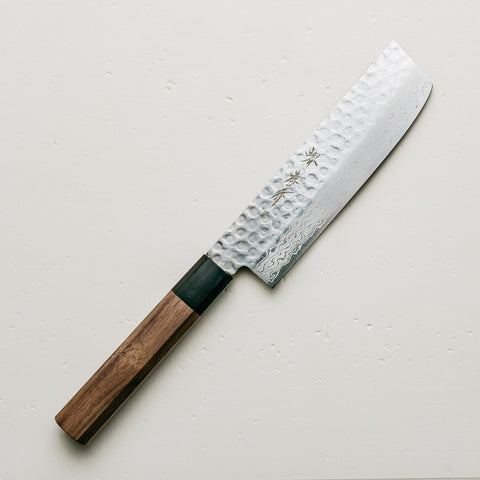
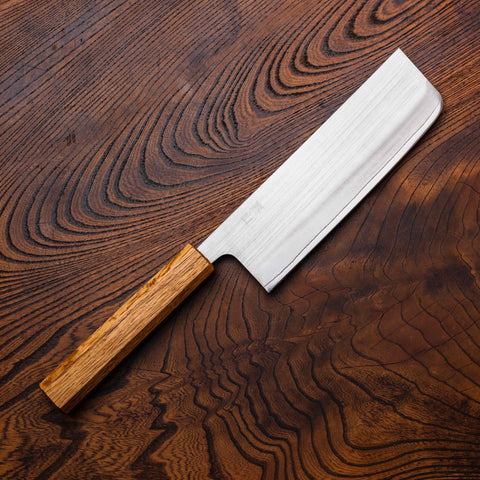
The Nakiri features a distinctive rectangular blade with a double-beveled edge (sharpened on both sides), making it accessible to both right and left-handed cooks. Its design allows for clean, straight cuts through vegetables without the need for a horizontal pulling motion. This knife excels at precise vegetable preparation for home cooks and professional chefs alike.
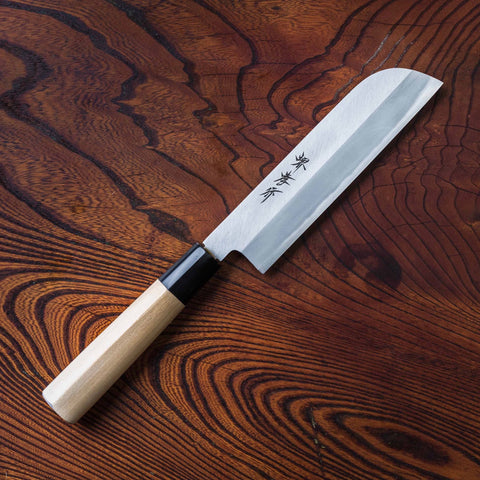
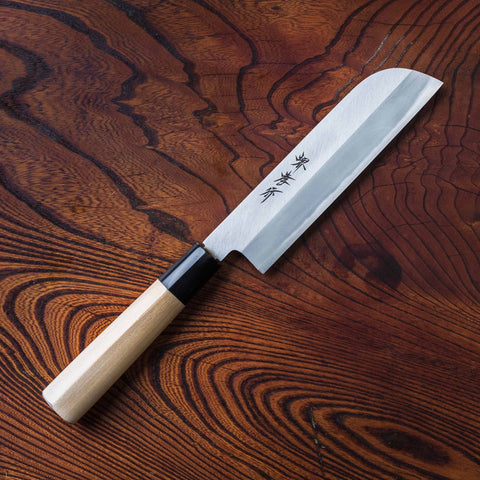
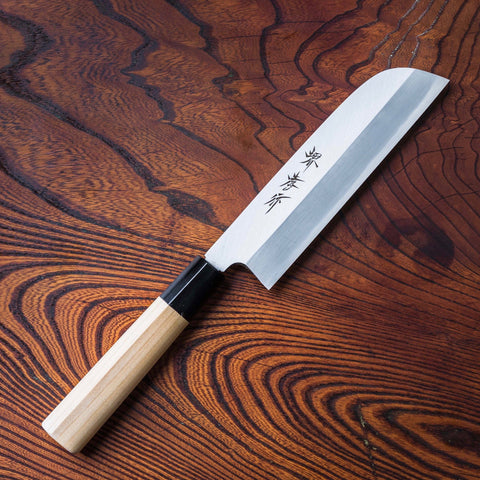
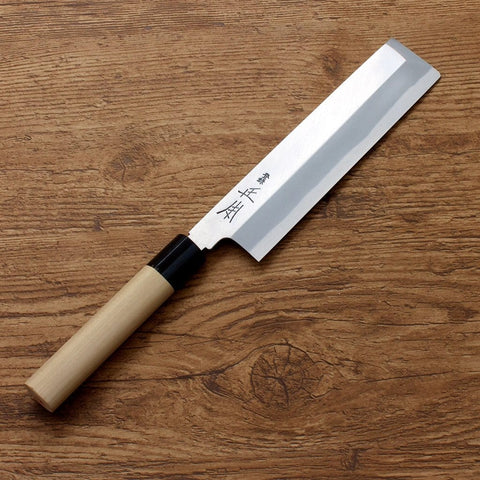
The Usuba, meaning "thin blade," features a single-beveled edge (sharpened on one side only) that enables extraordinarily precise cuts required in traditional Japanese cuisine. Historically used by professional chefs for specialized techniques like katsuramuki (creating paper-thin sheets from vegetables), the Usuba demands more skill but delivers unmatched precision.
| Knife Type | Price Range | Usability | Best For | Key Strength |
|---|---|---|---|---|
| Nakiri | $80-$300 | ★★★★☆ (Easy) | Home cooks and professionals | All-around vegetable preparation |
| Usuba | $150-$500+ | ★★☆☆☆ (Difficult) | Professional chefs | Precision cuts and traditional techniques |
This comparison reflects insights from culinary experts and user reviews. While Nakiri is often considered the gold standard for vegetable preparation, Usuba offers distinct advantages for professional chefs seeking precision cuts. Having the right Japanese vegetable knife not only enhances safety in your kitchen but also elevates the quality of your dishes through consistent, clean cuts.